
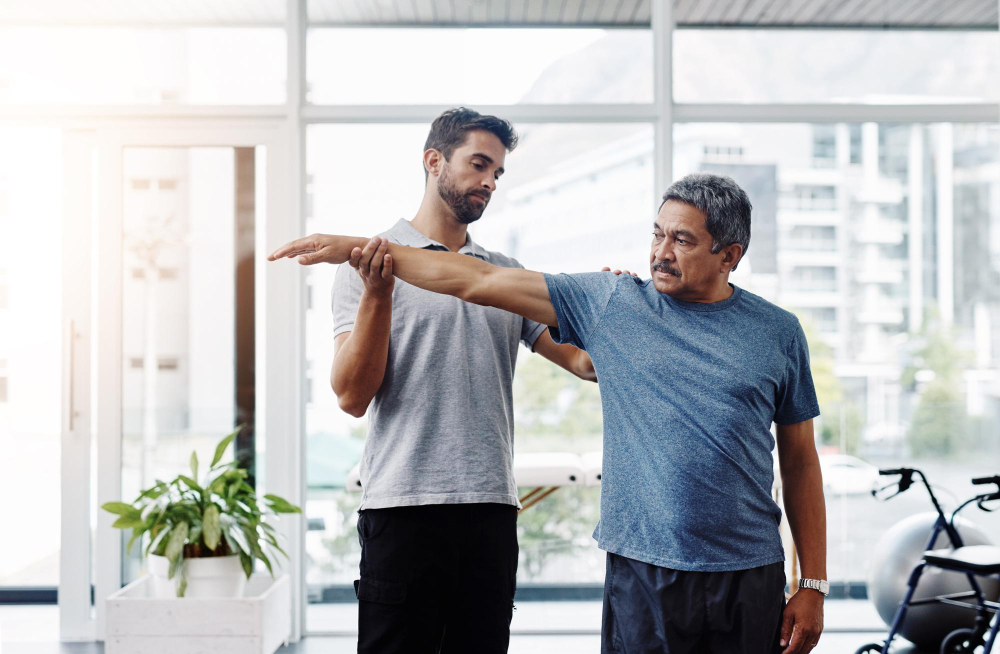
Balance disorders are common in older adults and can make daily life harder. Many seniors face dizziness, unsteadiness, or a higher risk of falling. Because of this, finding the best balance exercises for seniors with balance disorders is important. These safe exercises for elderly balance problems can help improve stability in older adults and boost confidence. In this guide, you will learn about balance disorders, why balance exercises matter, and which routines are best for seniors.
What Are Balance Disorders?
Balance disorders affect your ability to stay steady and upright. For seniors, these problems can cause dizziness, lightheadedness, or trouble walking. Often, balance disorders lead to falls, which may result in injuries.
Common symptoms include:
There are many causes of balance disorders in seniors. For example, aging, weak muscles, joint problems, or certain medicines can play a role. Sometimes, ear problems or nerve issues may also cause balance trouble. According to the CDC, falls are a leading cause of injury in seniors, often linked to balance issues.
Why Balance Exercises Matter for Seniors
Staying active with balance exercises can help seniors avoid falls. In fact, regular practice can make muscles stronger and improve how your body moves. As a result, seniors often feel more confident and safe at home.
Moreover, balance exercises can:
Because balance can change with age, it is important to keep moving. The World Health Organization (WHO) recommends regular physical activity for older adults to help prevent falls and maintain health.
Best Balance Exercises for Seniors
Below are some of the best balance exercises for seniors with balance disorders. Always start slowly and use a sturdy chair or countertop for support. If you feel unsure, ask a caregiver or family member to help.
1. Heel-to-Toe Walk
Safety Tips: If you feel wobbly, stop and rest. Try this exercise near a wall for extra safety.
2. Single Leg Stand
Safety Tips: Keep both hands on the chair at first. As you get stronger, try using one hand or no hands.
3. Side Leg Raises
Safety Tips: Move slowly and do not lift your leg too high. Stop if you feel pain.
4. Marching in Place
Safety Tips: Keep your movements slow and steady. Rest if you feel tired.
5. Sit-to-Stand Exercise
Safety Tips: Use your hands for support if needed. Make sure the chair does not move.
6. Toe and Heel Raises
Safety Tips: Keep your movements slow. Hold the chair for balance.
7. Weight Shifts
Safety Tips: Stand near a countertop or sturdy surface for support.
Tips for Safe Exercise at Home
Before starting any new exercise, talk to your doctor or physiotherapist. This is especially important if you have a medical condition or recent injury.
To stay safe during balance exercises:
Above all, listen to your body and rest when needed. Even small steps can make a big difference over time.
When to Seek Professional Help
Sometimes, balance problems need more than home exercises. If you notice any of these warning signs, contact a physiotherapist or healthcare provider:
Early help can prevent injuries and improve your quality of life. A physiotherapist can create a personalized plan for your needs.
Conclusion
Balance exercises for seniors with balance disorders can help improve stability and prevent falls. With regular practice and the right safety steps, many older adults can stay active and independent. For the best results, consult a physiotherapist for personalized balance exercise guidance.
