Introduction to Facial Palsy (Bell’s Palsy) Recovery
Facial Palsy (Bell’s Palsy) Recovery is a journey that many people face after sudden facial weakness. This condition causes one side of the face to droop. Often, it appears without warning. However, with the right care, most people recover well. Early diagnosis and proper rehabilitation, such as physiotherapy for facial paralysis, can speed up healing. Understanding the symptoms, causes, and recovery steps helps you take control of your health.
Common Symptoms
Facial Palsy, also called Bell’s Palsy, affects the facial muscles. As a result, you may notice several signs. Early recognition is important for better recovery. Common symptoms include:
Sometimes, mild pain or discomfort may occur behind the ear. But, most symptoms appear quickly, often within hours.
Causes and Risk Factors
Doctors do not always know the exact cause of Bell’s Palsy. However, experts believe it often results from swelling of the facial nerve. This swelling may be linked to viral infections, such as the herpes simplex virus. Other risk factors include:
Although anyone can develop facial palsy, adults between 15 and 60 years old are most at risk. Still, it can affect children and older adults as well.
Diagnosis Methods
Doctors use several methods to diagnose Facial Palsy (Bell’s Palsy). First, they will ask about your symptoms and medical history. Next, they will perform a physical exam. During the exam, your doctor will check your facial muscles and nerve function. Sometimes, additional tests are needed to rule out other causes. These may include:
Early diagnosis helps start treatment quickly, which can improve your chances of full recovery.
Rehabilitation and Treatment Options
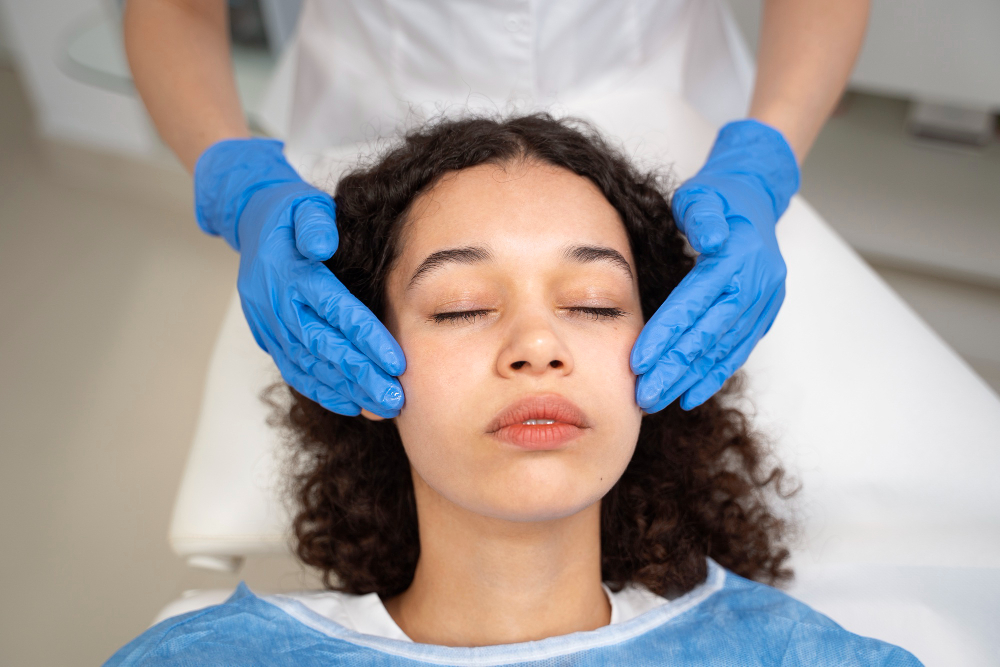
Most people recover from Bell’s Palsy within three to six months. However, rehabilitation and treatment can help speed up recovery and improve facial function. Physiotherapy for facial paralysis is a key part of Bell’s Palsy rehabilitation. Treatment options include:
With regular therapy and support, most people regain normal facial movement. According to the CDC, early treatment leads to better outcomes.
Home Care and Lifestyle Tips
While medical care is important, home care also plays a big role in recovery. Here are some helpful tips:
Additionally, joining a support group can help you stay motivated.
Prevention and Prognosis
Although Bell’s Palsy cannot always be prevented, you can lower your risk by managing health conditions like diabetes and high blood pressure. Practicing good hand hygiene and avoiding close contact with sick people may also help. Most people recover fully, but a small number may have mild weakness or muscle tightness. Early treatment and regular rehabilitation improve the chances of a full recovery.
When to Seek Medical Help
If you notice sudden facial weakness or drooping, seek medical help right away. Quick action can rule out serious conditions, such as stroke. You should also contact your doctor if:
Remember, early care is key for the best recovery.
Consult a physiotherapist or healthcare specialist for personalized recovery guidance.
