Introduction: Understanding Postpartum Recovery
After childbirth, a woman’s body needs time to heal. This period is called postpartum recovery. A healthy postpartum recovery is important for both the mother and her baby. During this time, the body adjusts after pregnancy and birth. For many new mothers, this phase brings both joy and challenges. However, with the right support and care, recovery can be smoother. Safe postpartum rehabilitation helps mothers regain strength and confidence. According to the World Health Organization (WHO), proper care during this period supports long-term health.
Common Postpartum Challenges
Many women face physical and emotional changes after giving birth. Some common physical challenges include:
In addition, emotional changes are also common. For example, some mothers may feel sad, anxious, or overwhelmed. These feelings are normal, but support is important. Family and friends can help, but professional guidance may also be needed.
The Role of Physiotherapy in Postpartum Recovery
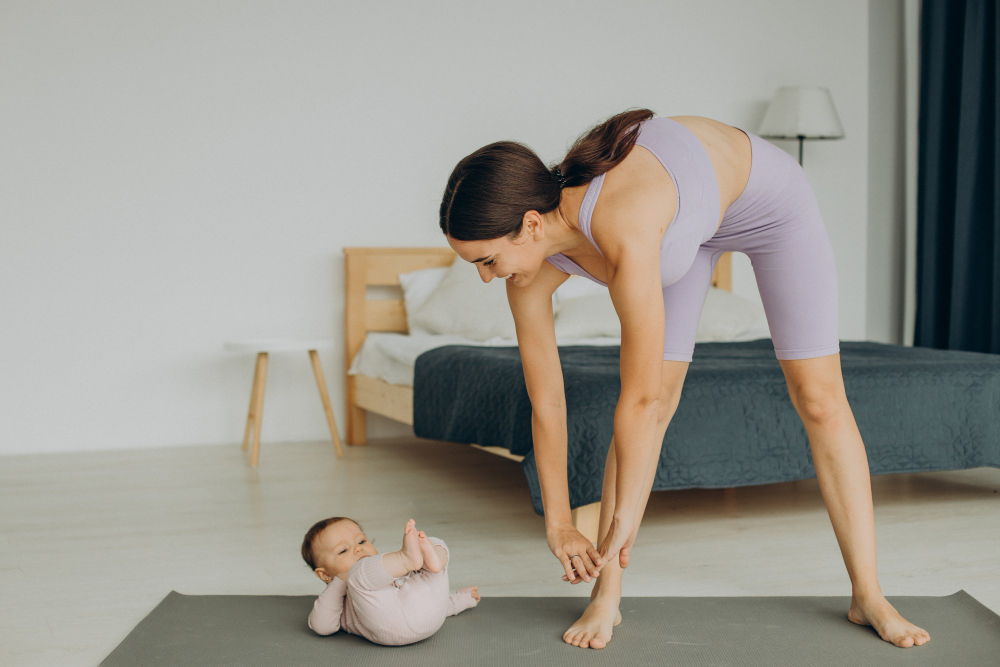
Physiotherapy plays a key role in healthy postpartum recovery. It helps mothers regain strength and function safely. Moreover, physiotherapists guide women through gentle exercises and safe movements. They also teach ways to protect the body during daily tasks. With expert advice, mothers can avoid injuries and speed up healing. The Centers for Disease Control and Prevention (CDC) recommends early movement and exercise after childbirth, when safe.
Evidence-Based Physiotherapy Approaches
Several physiotherapy techniques support safe postpartum rehabilitation. These methods are backed by research and help mothers recover well. Some effective approaches include:
For best results, follow a plan made by a qualified physiotherapist. Each woman’s needs are different, so a personalized approach works best.
Lifestyle Guidance: Nutrition, Rest, and Emotional Well-Being
Besides exercise, a healthy lifestyle supports postpartum recovery. For example, eating balanced meals gives the body energy to heal. Drinking enough water is also important. Rest is key, even though caring for a newborn can be tiring. Short naps and asking for help can make a big difference. Emotional well-being matters too. Talking with loved ones or joining support groups can help mothers feel less alone. If feelings of sadness or worry last, it is important to seek help.
Prevention of Complications and Tips for a Smoother Recovery
Taking simple steps can prevent problems and support healing. Here are some tips for a smoother recovery:
With these steps, many mothers recover well and avoid common issues.
When to Seek Professional Help
Sometimes, extra support is needed. Contact a healthcare provider or physiotherapist if you notice:
Early help can prevent complications and support a healthy postpartum recovery.
Conclusion
In summary, healthy postpartum recovery is possible with the right care. Physiotherapy offers safe and proven ways to heal after childbirth. By following expert advice, eating well, and resting, mothers can regain strength and well-being. Consult a qualified physiotherapist for personalized postpartum recovery guidance.
