Introduction
Many people struggle with walking problems, also known as abnormal gait. The role of physiotherapy in gait correction is very important. Physiotherapy uses special exercises and treatments to help people walk better. If you have trouble walking, you may benefit from physiotherapy for gait correction. In this blog, you will learn about common causes of abnormal gait, how physiotherapy helps, and what to expect during treatment. We will also share tips for improving your walking pattern and preventing future problems.
Common Causes of Abnormal Gait
Abnormal gait means walking in a way that is not normal or smooth. There are many reasons why someone may develop an unusual walking pattern. Some common causes include:
Sometimes, aging or certain diseases can also affect the way you walk. Because of these causes, many people seek rehabilitation for abnormal gait.
How Physiotherapy Helps in Gait Correction
Physiotherapy plays a key role in improving walking patterns. First, a physiotherapist will check your walking style. Then, they will find out what is causing the problem. After that, they create a plan just for you. This plan may include gait training exercises and other treatments. As a result, you can move better and feel safer while walking.
Key Physiotherapy Techniques and Exercises for Gait Correction
Physiotherapists use many methods to help correct gait. Some common techniques include:
For example, your physiotherapist may ask you to walk on different surfaces or practice standing on one leg. Over time, these exercises can make your walking smoother and safer.
What to Expect During Physiotherapy Sessions
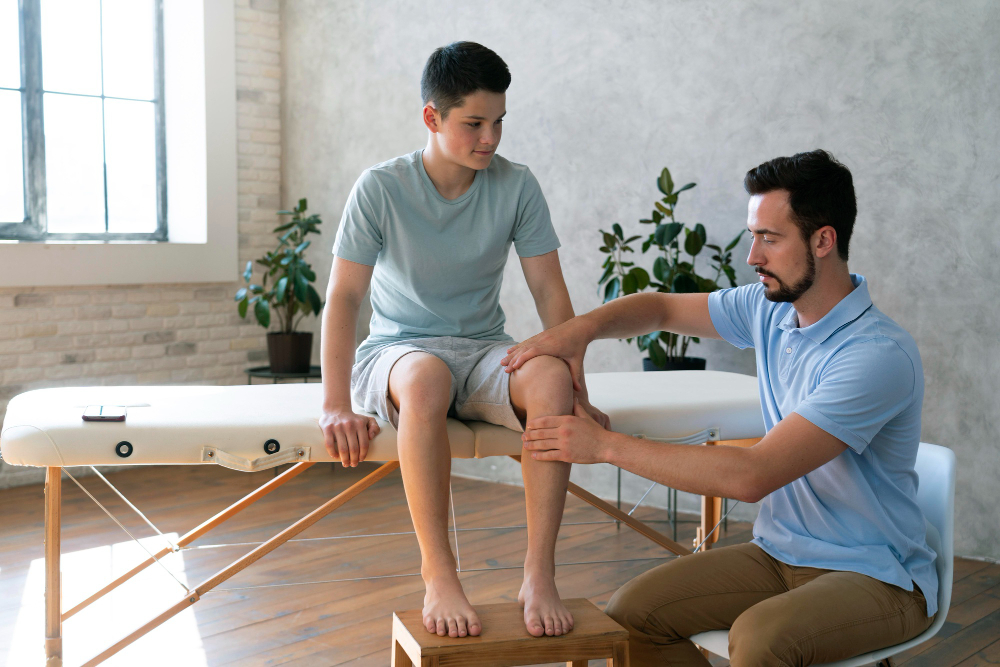
When you visit a physiotherapy clinic near you, the first session usually starts with an assessment. The physiotherapist will watch how you walk and ask about your health history. Next, they will test your strength, balance, and flexibility. Based on this, they will design a treatment plan. Each session may include:
Most sessions last about 30 to 60 minutes. As you improve, your exercises may change to match your progress.
Benefits of Physiotherapy for Gait Correction
There are many benefits to physiotherapy for gait correction. Some of the main advantages include:
According to the World Health Organization (WHO), regular rehabilitation can help people recover faster and stay independent for longer.
Tips for Maintaining Progress and Preventing Recurrence
After you finish your physiotherapy sessions, it is important to keep up the good work. Here are some tips to help you maintain your progress:
By following these steps, you can reduce the chance of gait problems coming back.
When to Consult a Physiotherapist
If you notice changes in your walking, do not wait. You should see a physiotherapist if you:
Early help can make a big difference. Many physiotherapy clinics near you offer gait correction services.
Conclusion
In summary, the role of physiotherapy in gait correction is vital for many people. With the right exercises and support, you can improve your walking and enjoy a better quality of life. Consult a qualified physiotherapist for personalized gait correction advice.
