Introduction
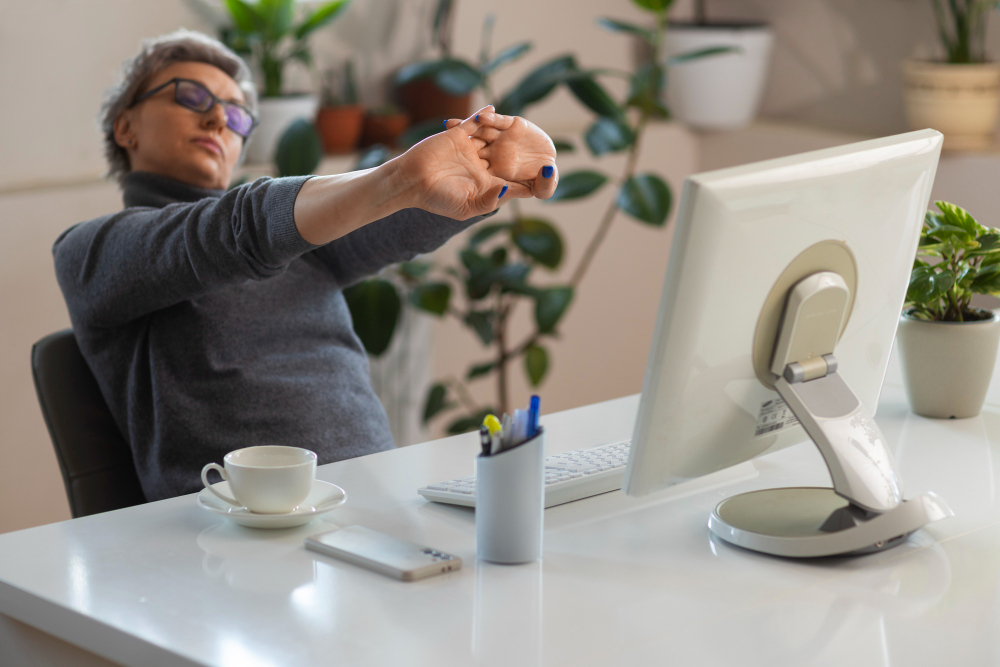
Many people spend hours at a desk each day. Because of this, poor posture and shallow breathing can become common problems. However, simple desk stretches to improve posture and oxygen flow can make a big difference. These stretches help you feel better, work better, and breathe easier. In this blog, you will learn about desk stretches for better breathing, ways to improve oxygen flow at work, and posture exercises for office workers.
Why Good Posture and Breathing Matter
Good posture keeps your body in balance. It helps your muscles and joints work well. When you sit up straight, your lungs have more room to expand. As a result, you can take deeper breaths and get more oxygen. According to the World Health Organization (WHO), poor posture can lead to back pain and lower energy. In contrast, good breathing supports your brain and body. It helps you stay alert and focused. Therefore, taking care of your posture and breathing is important for your health.
Common Posture Problems from Desk Work
Many office workers face posture issues from sitting too long. For example, you might notice:
Over time, these problems can make it harder to breathe well. They can also cause pain and tiredness. But with the right stretches, you can help prevent these issues.
How Desk Stretches Help
Desk stretches are simple moves you can do at your desk. Not only do they help your posture, but they also improve your breathing. When you stretch, your muscles relax and your chest opens up. This allows more air into your lungs. Here are some benefits of desk stretches:
Even a few minutes of stretching can make a big difference.
Step-by-Step Desk Stretches
Try these easy stretches during your workday. Each one helps your posture and breathing.
1. Seated Chest Opener
This stretch opens your chest and helps you breathe deeper.
2. Neck Stretch
Neck stretches ease tension and help keep your airway open.
3. Seated Spinal Twist
This move loosens your back and helps you sit up straighter.
4. Shoulder Shrugs
Shoulder shrugs release tension and improve blood flow.
5. Seated Forward Fold
This stretch relaxes your back and helps you breathe more deeply.
Tips for Integrating Stretches into Your Workday
It can be easy to forget to stretch. However, small changes can help you stay on track. For example, set a reminder on your phone every hour. Or, stretch after each meeting. You can also ask a coworker to join you. In addition, keep a list of stretches on your desk. Over time, these habits will become part of your routine.
Prevention and Lifestyle Guidance
Besides stretching, there are other ways to protect your posture and breathing at work. Try these simple habits:
By making these changes, you can support your health and feel better at work.
Conclusion
Desk stretches to improve posture and oxygen flow are simple but powerful. When you add them to your day, you help your body and mind. For personalized advice on posture and breathing, consult a physiotherapist.
