What is Spinal Injury Rehab?
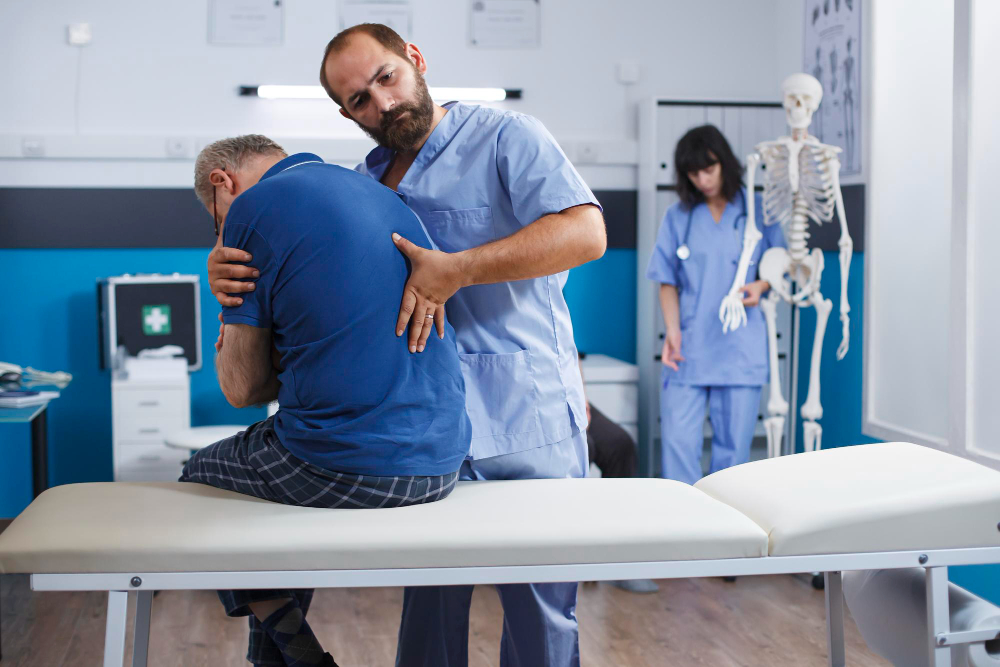
Spinal injury rehab and mobility training help people recover after a spinal cord injury. These programs focus on improving movement, strength, and daily skills. Early rehab can make a big difference. In fact, many people see better results when they start soon after their injury. Spinal cord injury rehabilitation often includes exercises, therapy, and education. The main goal is to help you regain as much independence as possible.
Common Causes of Spinal Injuries
Spinal injuries can happen in many ways. However, some causes are more common than others. Knowing these can help you stay safe. For example, the most frequent causes include:
Because these injuries can happen suddenly, it is important to be aware of the risks.
Symptoms and Impact on Mobility
Spinal injuries can affect the body in many ways. Yet, the symptoms depend on where the injury occurs. Some common signs include:
As a result, many people need help with daily tasks. Improving mobility after spinal injury is a key part of recovery.
Diagnosis and Assessment
Doctors use several steps to diagnose a spinal injury. First, they ask about your symptoms and how the injury happened. Next, they perform a physical exam. Often, they use tests such as:
Because early diagnosis is important, you should seek medical help right away after an injury. The World Health Organization (WHO) recommends quick assessment for the best outcomes.
Key Components of Mobility Training
Mobility training is a big part of spinal cord injury rehabilitation. It helps you move better and do daily activities. Some key parts include:
With regular practice, many people see steady progress. However, it is important to follow your therapist’s advice.
Treatment Approaches in Rehabilitation
Spinal injury rehab uses many treatment methods. For instance, physiotherapy for spinal injury recovery is common. Some main approaches include:
Because every person is different, rehab plans are tailored to your needs. According to the CDC, a team approach often works best.
Lifestyle Tips for Recovery and Daily Living
Recovering from a spinal injury takes time and effort. Still, some lifestyle tips can help you along the way:
With patience and support, many people regain skills and confidence.
Prevention of Further Injury
After a spinal injury, it is important to avoid new injuries. For example, you can:
Because prevention is key, always ask your rehab team for tips on staying safe.
Frequently Asked Questions
For personalized spinal injury recovery guidance, consult a rehabilitation specialist. Early support can make a big difference in your journey.
