Introduction
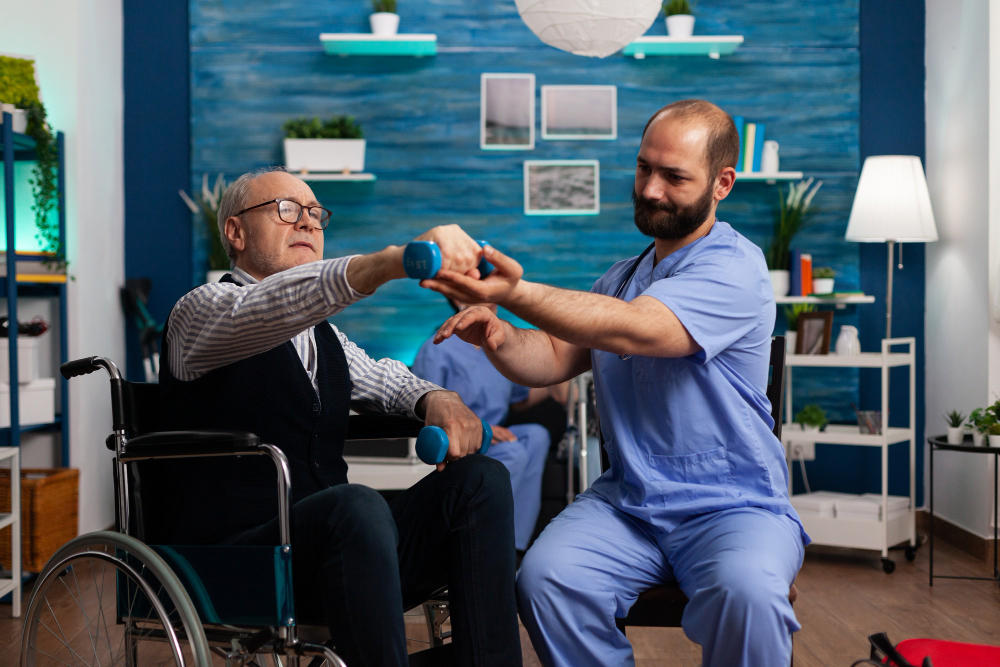
Paralysis rehab is a process that helps people regain movement and strength after paralysis. This journey is important because it can improve daily life and independence. Many people wonder how to start rebuilding strength after paralysis. With the right steps, progress is possible. Paralysis rehabilitation uses special exercises and tools to help the body recover. Early rehab can make a big difference in recovery. For many, working with a physiotherapist is key to success.
Common Causes of Paralysis
Paralysis can happen for many reasons. Some of the most common causes include:
Sometimes, paralysis is sudden. Other times, it develops slowly. No matter the cause, rehab can help.
Goals of Rehabilitation
The main goals of paralysis rehabilitation are clear. First, rehab aims to restore as much movement as possible. Next, it helps people learn new ways to do daily tasks. Also, rehab works to prevent problems like muscle stiffness or sores. Most importantly, it helps people feel more confident and independent. With each goal, progress may be slow, but every step counts.
Step-by-Step Rehab Process
Rebuilding strength after paralysis takes time. However, following a step by step paralysis recovery plan can help. Here is a simple outline:
Each step builds on the last. Even small gains are important.
Techniques to Rebuild Strength
Many methods help rebuild strength after paralysis. Some common techniques include:
With guidance, these techniques can lead to steady progress. Always follow your therapist’s advice for safety.
Tips for Motivation and Progress Tracking
Staying motivated during rehab can be hard. However, these tips can help:
Remember, progress may be slow, but every step forward matters. If you feel stuck, talk to your rehab team for new ideas.
Prevention of Complications
Paralysis can lead to other health problems if not managed well. To prevent complications:
With regular care, many problems can be avoided. Your rehab team can teach you more ways to stay healthy.
When to Seek Professional Help
If you notice new weakness, pain, or swelling, contact your doctor right away. Also, if you have trouble breathing or sudden changes in movement, get help fast. Early action can prevent serious problems. For best results, always work with a rehabilitation specialist. They can guide you through each step of your recovery.
For personalized guidance, consult a rehabilitation specialist. They can help you build a plan that fits your needs and goals.
