
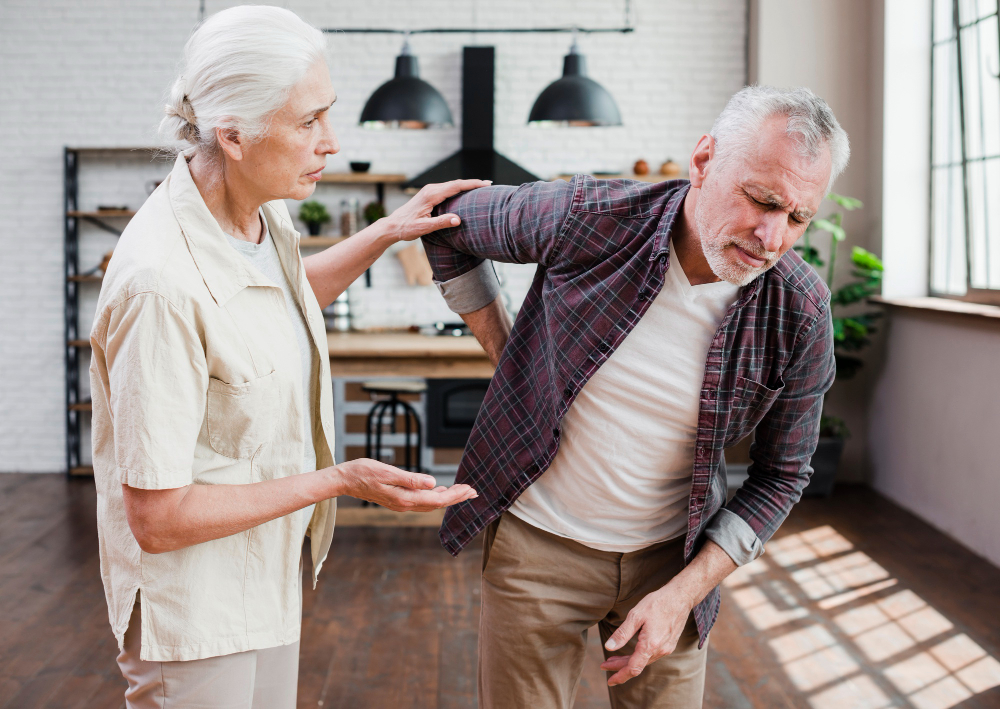
Introduction: Understanding Posture Problems and Falls in the Elderly
Posture problems and falls in the elderly are common health concerns. As people age, their risk of falling increases. According to the CDC, one in four adults over 65 falls each year. These falls can lead to serious injuries, such as broken bones or head injuries. However, many falls can be prevented. Good posture and balance are key to staying safe. In this blog, we will explore the causes, symptoms, and ways to prevent and treat these issues.
Common Symptoms and Warning Signs
Early signs of posture problems and fall risk are often easy to spot. For example, you may notice changes in the way someone walks or stands. Other warning signs include:
If you notice these signs, it is important to take action. Early steps can help prevent serious falls.
Main Causes and Risk Factors
Many factors can lead to posture problems and falls in the elderly. Age-related changes play a big role. But, there are other causes as well. Let’s look at the most common ones:
Because these risks add up, it is important to address each one. Even small changes can make a big difference.
Diagnosis and Assessment Methods
Doctors use several methods to check for posture problems and fall risk. First, they may ask about recent falls or changes in walking. Next, they might watch how a person stands or walks. Some common tests include:
After these tests, the doctor can suggest the best treatment plan. Early assessment helps prevent future falls.
Evidence-Based Treatment and Rehabilitation Options
Treatment for posture problems and falls in the elderly often includes several steps. Physiotherapy for seniors is a key part of recovery. Here are some proven options:
Because each person is different, treatment plans should be tailored. Rehabilitation may also include home visits or group classes. With the right support, many seniors regain confidence and mobility.
Practical Lifestyle and Home Safety Tips for Prevention
Simple changes at home can lower the risk of falls. For example, you can:
In addition, regular exercise and a healthy diet support strong muscles and bones. If you live in a city with icy winters, consider using salt or sand on walkways. These steps help keep seniors safe at home and outdoors.
When to Seek Professional Help
Sometimes, home changes and exercise are not enough. If you or a loved one has frequent falls, sudden weakness, or trouble walking, seek help. A doctor or physiotherapist can assess the situation. Early intervention often prevents further injury. Do not wait until a serious fall happens.
Conclusion: Take Action for Better Health
Posture problems and falls in the elderly are serious but preventable. With the right steps, seniors can stay active and safe. Consult a specialist for personalized guidance. Your health and safety matter every day.
