Introduction
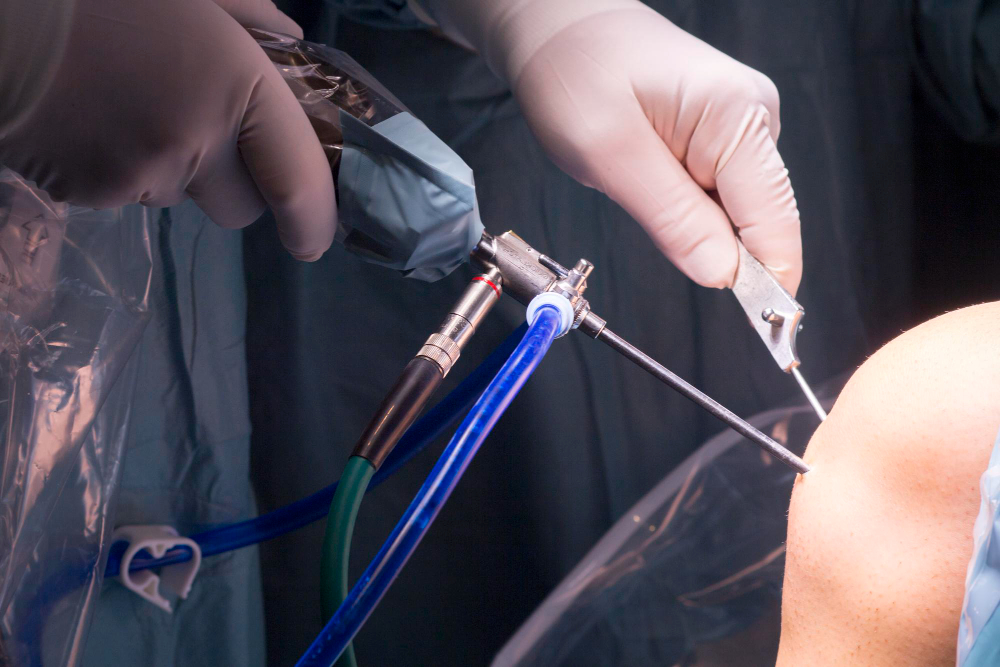
Shoulder arthroscopy is a minimally invasive surgery used to diagnose and treat shoulder problems. Doctors use a small camera, called an arthroscope, to look inside your shoulder joint. This procedure helps treat pain, stiffness, or injuries that do not improve with other treatments. Because it uses small cuts, recovery is often quicker than with open surgery. Many people choose shoulder arthroscopy for faster healing and less pain.
Symptoms and Conditions Treated by Shoulder Arthroscopy
Doctors may suggest shoulder arthroscopy if you have ongoing shoulder pain or limited movement. Sometimes, other treatments like rest or medicine do not help. Common conditions treated with this surgery include:
For example, if you have trouble lifting your arm or feel sharp pain, you may benefit from this surgery. Early treatment can help prevent further damage.
Causes Leading to the Need for Shoulder Arthroscopy
Many factors can cause shoulder problems that require arthroscopy. Often, injuries from sports, falls, or accidents damage the shoulder. Overuse from repeated movements, such as throwing or lifting, can also harm the joint. In addition, age-related wear and tear may weaken the shoulder over time. Sometimes, bone spurs or thickened tissue pinch nerves or tendons, causing pain. If these issues do not improve with rest or therapy, surgery may be needed.
Diagnosis and Evaluation Before Surgery
Before recommending shoulder arthroscopy, your doctor will carefully check your shoulder. First, they will ask about your symptoms and medical history. Next, they will examine your shoulder for pain, swelling, or weakness. Often, doctors use imaging tests like X-rays or MRI scans to see inside the joint. These tests help find tears, swelling, or bone changes. After reviewing your results, your doctor will discuss the best treatment options for you.
The Shoulder Arthroscopy Procedure
Shoulder arthroscopy is usually done as an outpatient surgery. This means you can go home the same day. Here is a step-by-step overview:
Because the cuts are small, there is usually less pain and a lower risk of infection. Most people can return home a few hours after surgery.
Recovery Timeline and What to Expect
After shoulder arthroscopy, recovery times can vary. However, most people follow a similar timeline:
Always follow your doctor’s advice. Healing depends on your age, health, and the type of repair done. If you notice fever, redness, or severe pain, contact your doctor right away.
Rehabilitation and Physiotherapy After Shoulder Arthroscopy
Rehabilitation is key to a full recovery. Your doctor or physiotherapist will guide you through safe exercises. These help restore strength and movement. Here are some practical tips:
With regular physiotherapy, most people regain good shoulder function. However, everyone heals at their own pace.
Prevention and Lifestyle Guidance for Shoulder Health
After recovery, it is important to protect your shoulder. Here are some ways to keep your shoulder healthy:
By following these tips, you can lower your risk of future injuries.
Frequently Asked Questions
Conclusion
Shoulder arthroscopy is a safe and effective way to treat many shoulder problems. With proper care, most people return to their normal activities. Consult a specialist for personalized guidance.
