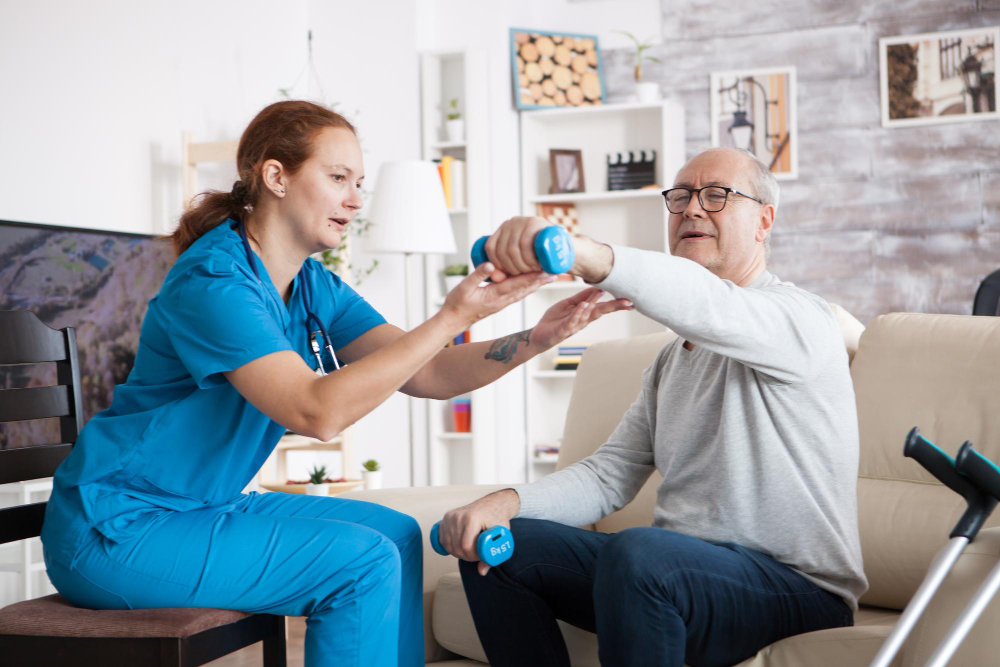
Geriatric rehabilitation helps older adults regain strength, independence, and confidence. Many seniors benefit from physical therapy for seniors, rehabilitation for elderly, and programs focused on improving mobility in older adults. Because aging can bring new health challenges, these services play a key role in helping seniors stay active and enjoy life. In cities like New York and Los Angeles, access to quality geriatric care is growing. However, knowing what to expect can help families make the best choices for their loved ones.
What is Geriatric Rehabilitation?
Geriatric rehabilitation is a set of therapies designed for older adults. It aims to restore movement, reduce pain, and improve daily living skills. For example, after an injury or illness, seniors may need help to walk, dress, or bathe again. In many cases, these programs use a team approach. Doctors, nurses, physical therapists, and occupational therapists work together. As a result, seniors get care that fits their unique needs.
Common Conditions Addressed
Many older adults face health problems that affect movement and daily life. Geriatric rehabilitation can help with:
Because these issues are common, early rehab can make a big difference.
Symptoms and Challenges in Older Adults
Older adults may notice changes that make daily life harder. For instance, they might feel weak, stiff, or unsteady. Some common symptoms include:
Additionally, memory loss or confusion can add to these challenges. But with the right support, many seniors can overcome these problems.
Diagnosis and Assessment Process
First, a doctor or specialist will assess the older adult’s health. This often includes:
After the assessment, the team creates a plan that fits the senior’s needs. According to the CDC, early assessment helps prevent further decline and supports safe recovery.
Treatment Approaches and Therapies
Geriatric rehabilitation uses many therapies to help seniors. Some common approaches include:
In many cities, rehab centers offer group classes and home visits. This makes care more accessible for seniors and families.
Lifestyle Tips for Better Recovery
Recovery works best when seniors stay active and follow healthy habits. Here are some tips:
Because support from family and friends matters, involve loved ones in the recovery process.
Prevention and Maintaining Independence
Staying independent is important for many seniors. To help prevent injuries and keep moving, consider these steps:
According to the World Health Organization, regular exercise and safe home environments lower the risk of falls and injuries.
When to Consult a Specialist
If an older adult has trouble moving, frequent falls, or pain that limits daily life, it is time to seek help. Early rehab can prevent further problems. In addition, if you notice sudden changes in memory or mood, talk to a doctor. Many cities have geriatric rehab centers and specialists who can guide you.
In summary, geriatric rehabilitation helps older adults live fuller, safer lives. If you or a loved one needs support, consult a rehabilitation specialist for personalized advice and care.
