
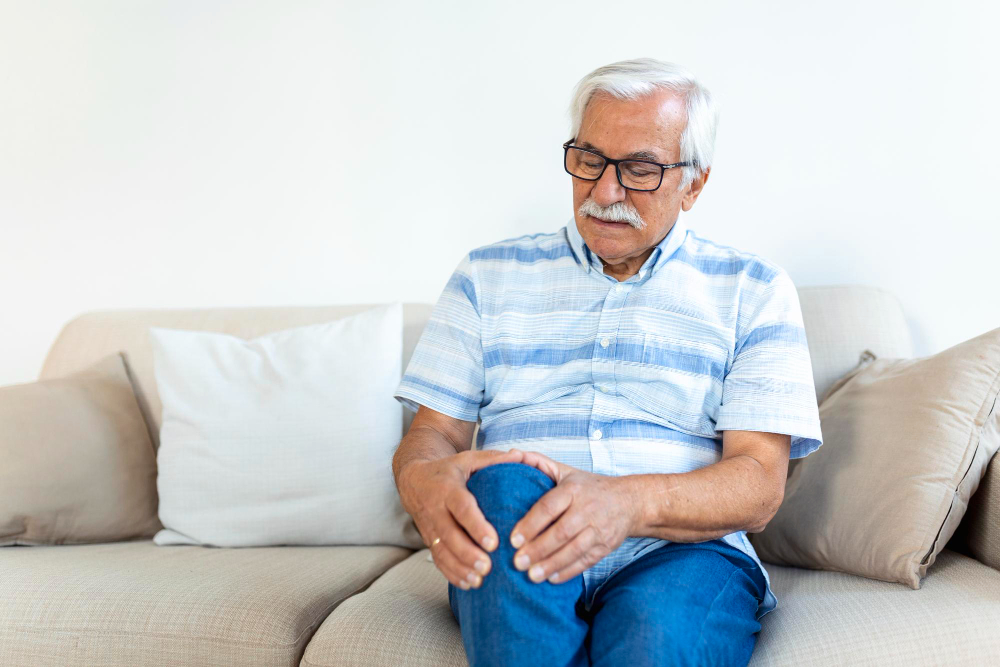
Knee osteoarthritis is a common cause of knee pain, especially in older adults. This condition, also called arthritis in the knee, can make daily activities harder. However, with the right care, you can manage symptoms and keep moving. In this blog, you will learn about knee osteoarthritis, its symptoms, causes, diagnosis, treatment options, and ways to prevent it.
What is Knee Osteoarthritis?
Knee osteoarthritis is a type of arthritis that affects the knee joint. In this condition, the cartilage in the knee wears down over time. Cartilage is a smooth tissue that covers the ends of bones. It helps the knee move easily. When cartilage breaks down, bones rub against each other. As a result, you may feel pain, swelling, or stiffness in your knee. Over time, knee osteoarthritis can make walking or climbing stairs difficult.
Common Symptoms of Knee Osteoarthritis
Many people notice symptoms slowly. Sometimes, symptoms get worse with time. Common signs of knee osteoarthritis include:
However, not everyone will have all these symptoms. If you notice any of these signs, it is important to talk to your doctor.
Main Causes and Risk Factors
Knee osteoarthritis happens when the cartilage in your knee wears away. Several factors can increase your risk. These include:
Because some risk factors can be changed, making healthy choices may help lower your risk.
How Knee Osteoarthritis is Diagnosed
Doctors use several steps to diagnose knee osteoarthritis. First, they ask about your symptoms and medical history. Next, they examine your knee for swelling, pain, or movement problems. Sometimes, doctors order X-rays to look for changes in the joint. Blood tests are not usually needed, but they may help rule out other causes of knee pain. Early diagnosis can help you start treatment sooner and manage symptoms better.
Treatment Options for Knee Osteoarthritis
There are many ways to treat knee osteoarthritis. Your doctor will suggest the best plan for you. Common treatment options include:
Physiotherapy for knee arthritis is very helpful. It can improve strength, balance, and flexibility. As a result, many people find it easier to move and have less pain.
Lifestyle and Self-Care Tips
Making small changes in your daily life can help manage knee osteoarthritis. Here are some tips:
Because self-care is important, always listen to your body and rest when needed.
Prevention Strategies
While you cannot prevent all cases of knee osteoarthritis, you can lower your risk. Try these prevention tips:
Even small changes can make a big difference over time.
Conclusion
Knee osteoarthritis is a common cause of knee pain and stiffness. However, with early diagnosis and the right treatment, you can manage symptoms and stay active. If you have knee pain or think you may have arthritis in the knee, consult a physiotherapist or healthcare specialist for personalized advice on knee osteoarthritis.
